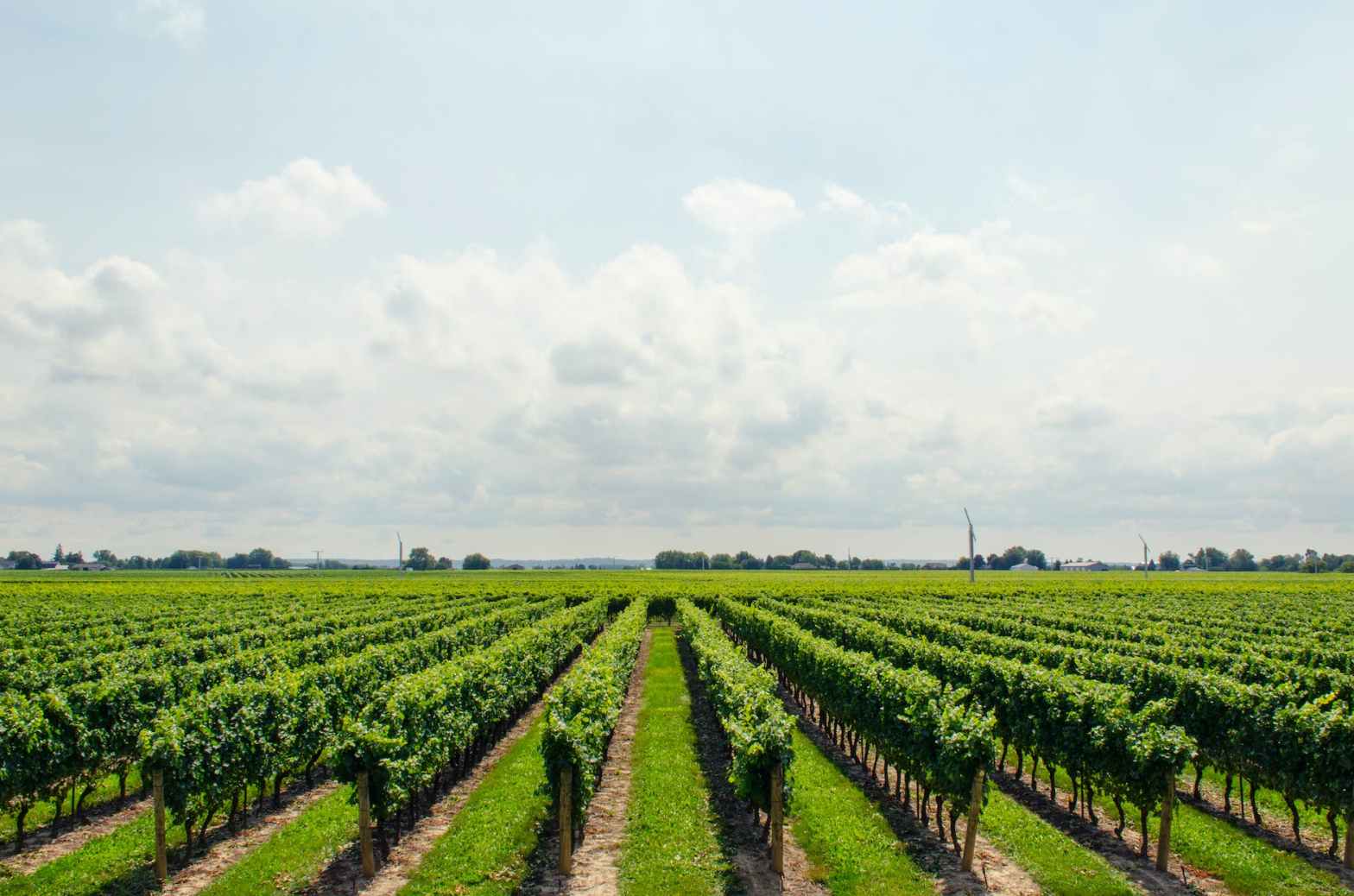
Some milestone anniversaries on the East End of Long Island have been easy to overlook but not so its start as a wine region. Fifty years ago, as the “Hamptons” south fork of the island was consumed with some of its earliest development battles, the north fork saw the planting of its first commercial vineyard by Louisa and Alex Hargrave, at Cutchogue. The region’s now $115 million-plus winery industry is making much of its 50th celebration.
Carving what was ultimately an 84 acre estate out of what had been a potato field, the Hargraves were the forerunners of what would become the East End’s agricultural mainstay as they dug up the spuds that were fast relinquishing that role. Today wine grapes and bottlings are not only a product but also an attraction, mostly on the north fork. To be sure, that has brought tourism traffic and real-estate speculation to what had survived as a rustic retreat for years after the south fork came into the commercial crosshairs.
The south fork’s wine production is comparatively a teardrop, if a pricey one. Two main wineries, the Wolffer Estate (vineyards since 1988, a destination tasting room since 1997) and Channing Daughters (plantings from 1982, first retail vintage 2001), draw plaudits and visitors, capitalizing greatly on the booming market for rosé wines. But the area’s famous loam soil hasn’t always been right for viticulture. An early stab along the turnpike to Sag Harbor, Bridgehampton Winery, was a washout as a vineyard and was nearly transformed into a golf course before town officials instead opened a nature center. On the Montauk Highway in Water Mill, the flashy Le Reve winery flamed out by 1990, to be replaced by the Duck Walk sister brand of the north fork’s Pindar winemakers.
A few big names can still get in the Long Island vintner game though the escalation of real-estate prices narrows the window for further bootstrap stories. But there is one twist to that cork: In 1999, the year the pioneering Hargraves sold their winery, the Community Preservation Fund (CPF) was instituted in Long Island’s wine country. It employs a tax on luxury property sales to buy land or development rights to foreclose development. Agricultural use, including related facilities, can still be made of the acquired lands. There’s a legal tightrope for a vintner to navigate all the way to on-site retail operations, but the CPF—which has raised $2 billion already–lessens the chances that today’s grape rows will give way to mansions the way so many potato fields did.
The tax won’t subsidize ongoing operations; still, a onetime check can provide a cushion. As the primary sponsor of the CPF, state legislator Fred Thiele, emailed me, “Of course, once a farmer is compensated for the sale of his/her development rights, there is no limitation on the use of the proceeds in connection with their agricultural business.”
I have a hunch the East End will get to this crop’s 75th anniversary festivities.
 Tim W. Ferguson