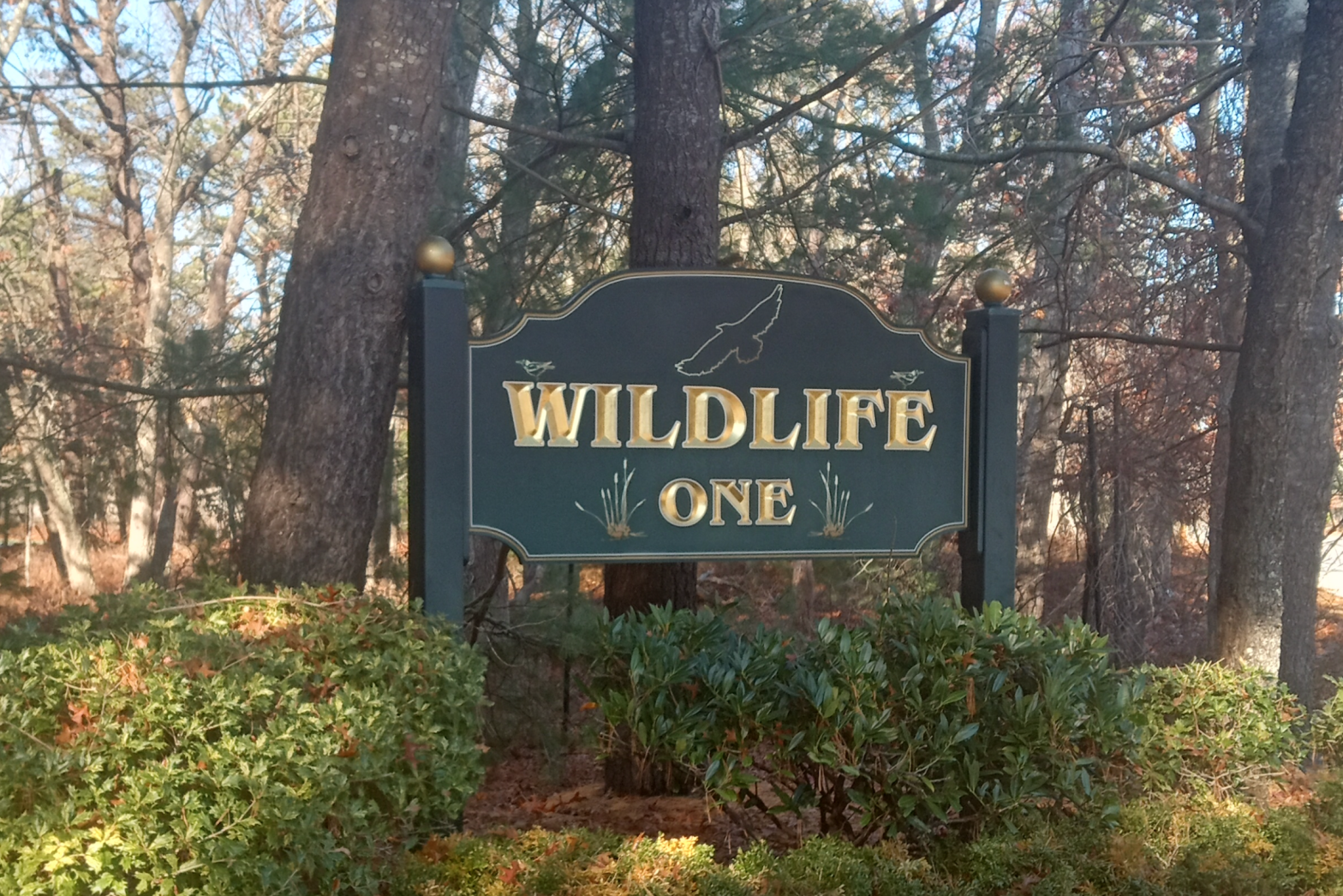
As the South Fork of Long Island saw a housing boom in the mid-1980s, development pressed into woodlands—the very areas whose environmental worth was finally gaining currency. Roughly 40 years ago, a pair of adjoining subdivision proposals north of Quogue Village drew particular press and public notice. Unlike several other large projects floated during the period, these two were ultimately approved and built. What was gained and lost as a result?
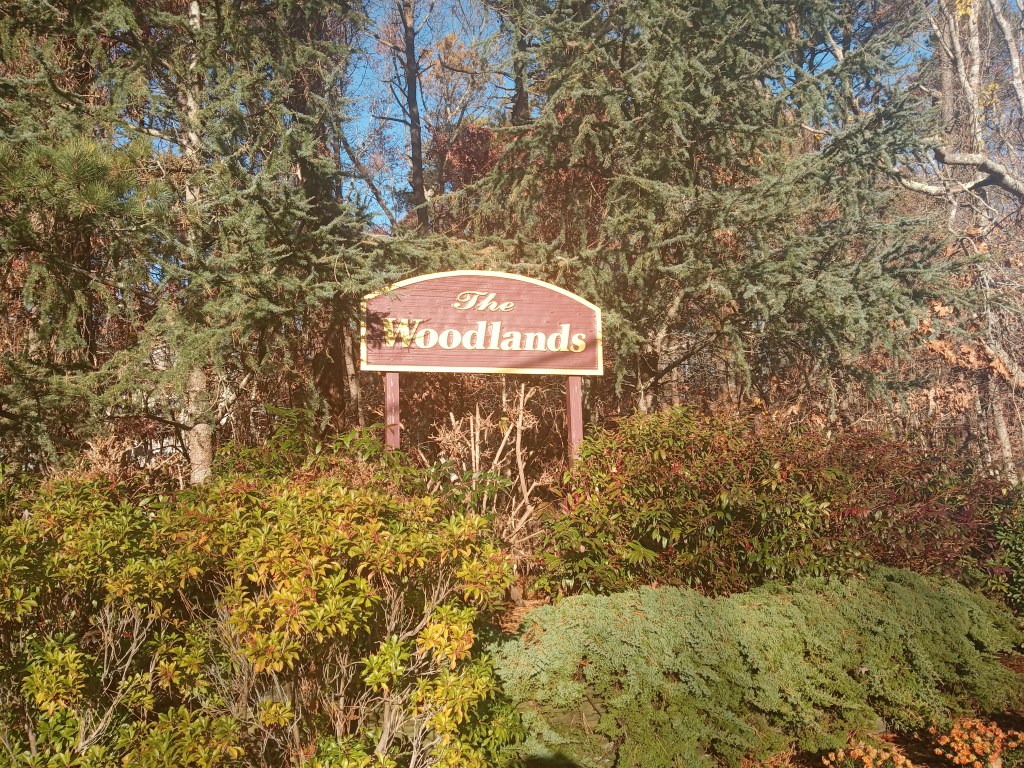
In the plans for what were called Wildlife Associates and Woodland Pines—today flagged by entry signs as simply Wildlife and Woodland—the few hundred acres between the Quogue Wildlife Refuge and County Road 104, north of Old Country Road were to become 200 single-family homes. Objections flew from the nearby village of Quogue, from Westhampton down the road, and from preservationists at what was then the Group for the South Fork.
The developers were guided through the approval process by a young outfit called Inter-Science Research, headed by former water-quality advocate Richard Warren. Inter-Science would go on to become one of the go-to shops for property applicants on the South Fork. In this case, a set of concessions–reducing the number and footprint of the homes and handing off a 100 acre “buffer” between the developments and the wildlife refuge–greased eventual approval. The town planning board, led by Roy Wines Jr., drew considerable criticism for such comprises during the hectic 1980s rush into the “Hamptons.”
(A history of the process must mainly draw from newspaper coverage at the time, which was more consistently attentive to development matters than it is today. Personal memories unfortunately have faded. Prominent local attorney Stephen Latham represented some opponents but is now semi-retired and his clients have also left the scene. Carolyn Zenk objected for what is now the Group for the East End—and later became a Southampton town councilwoman—but didn’t respond to inquiries, as Warren did not as well. An attorney who represented the developers also couldn’t be reached.)
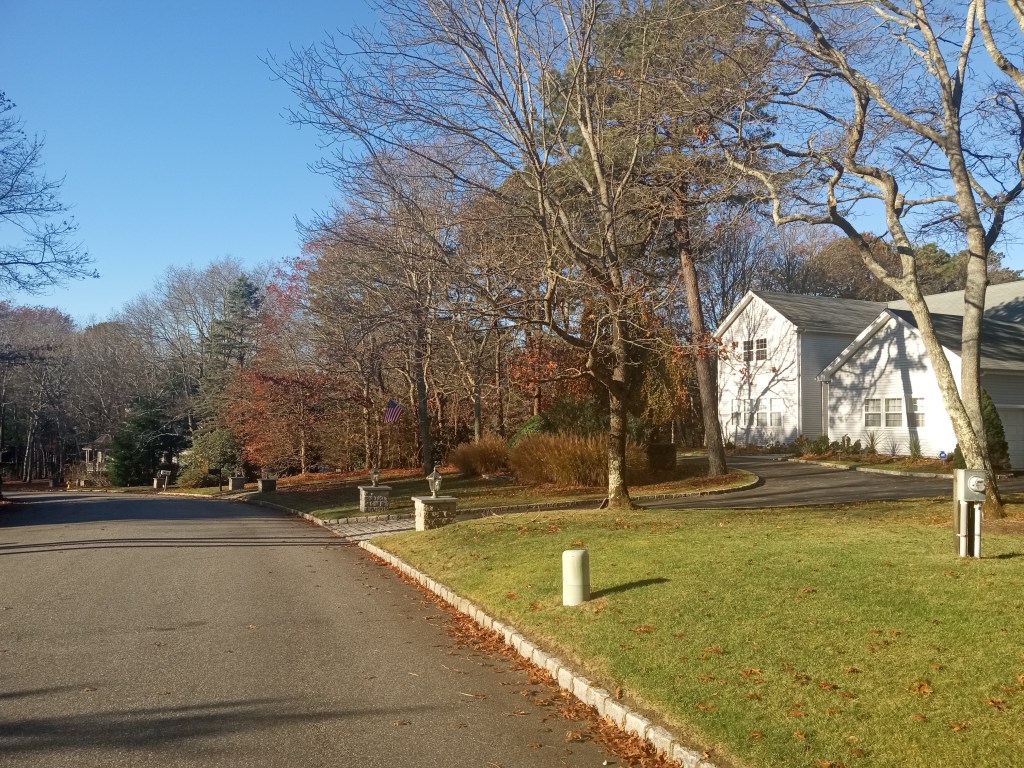
Forty years later, what can be seen? By most indicators, a successful settlement. The residential streets, most notably Whippoorwill Lane and Peacock Path, are populated with 128 moderately sized houses with a woodsy backdrop. (Prices have risen considerably, but most sell for well under $2 million.)The home sites bear a great resemblance to Whalebone Landing in Noyac, an early cluster subdivision welcomed by town planners. As family domiciles, they benefit from being part of the Quogue Union Free School District, one of the best performing in the state.
The Quogue refuge, meanwhile, has only grown in renown as Southampton town’s pioneering wildlife park, dating to its days as a private sanctuary the 1930s. Assistant Director Marisa Nelson told me that there’ve been no measures of feared harm to the sanctuary’s ponds (which share a watershed with the developments), no discernible effect on the fowl and mammal life, and only periodic violations of the buffer area for hunting or refuse. A recent walk along the perimeter of the refuge yielded not even a sight of homes or their outcroppings. A more noticeable presence, noise-wise, is the nearby Gabreski Airport, operated by Suffolk County and due for expanded use.
East Quogue, the hamlet where the subdivisions arose, today maintains a middle-class character. But the gloss of the modern Hamptons is reaching it. A luxury home development with a private golf course is under construction barely a mile away, also approved after years of contention and in its case millions of dollars in lawsuits. Its go-ahead marked a rare defeat for the Long Island Pine Barrens Society, which took up advocacy on developments by the late 1980s. The stakes, it seems, have grown far higher in the four decades since the Wildlife and Woodland neighborhoods were born.
At the same time, maintaining some vestige of “affordable” housing (that is, beyond the richest percentiles) in or near the Hamptons has also become a focal point of public policy. This will require concessions of the sort that opened up the woods near Quogue 40 years ago. –Jan. 13, 2025
 Tim W. Ferguson