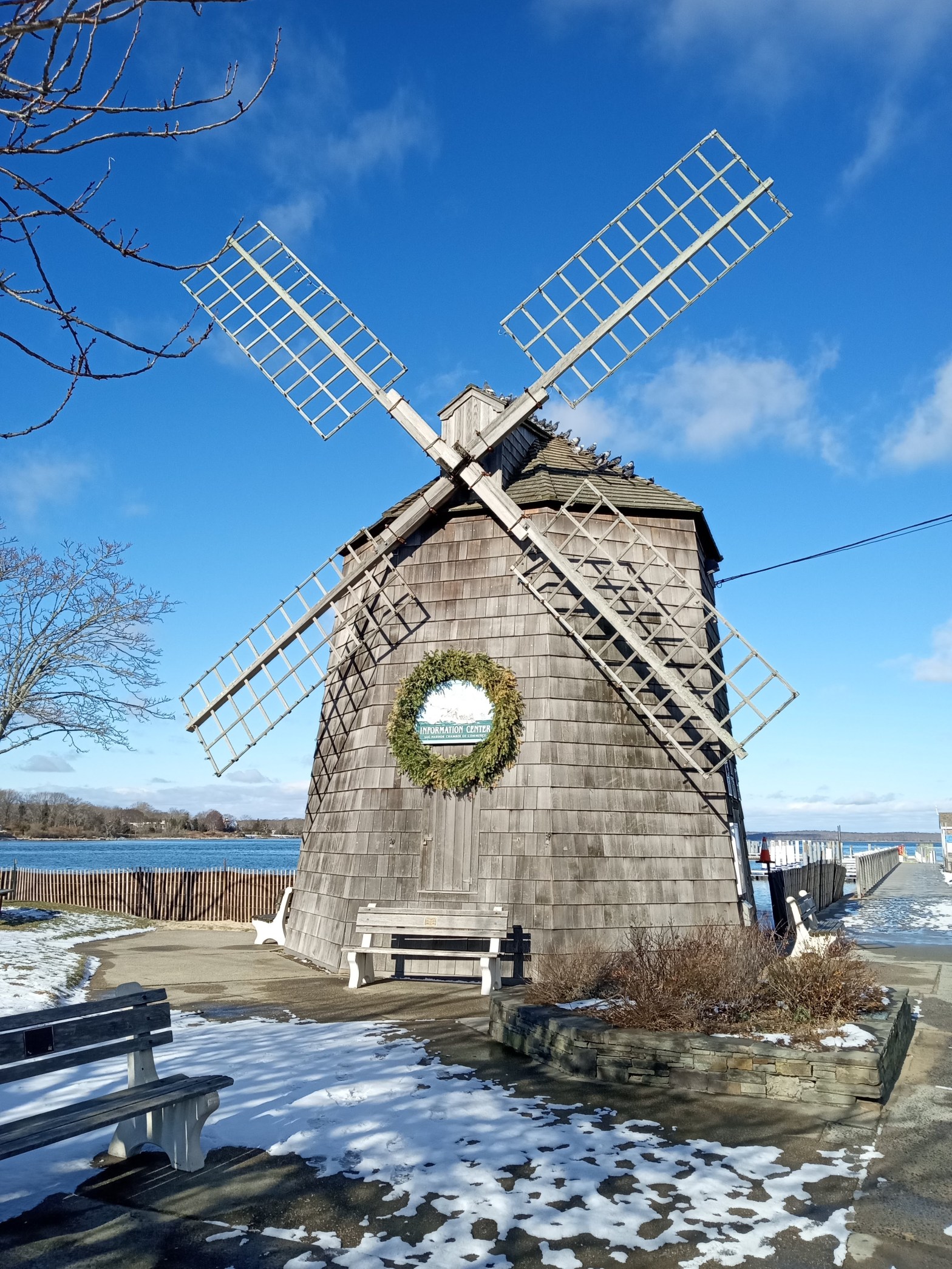
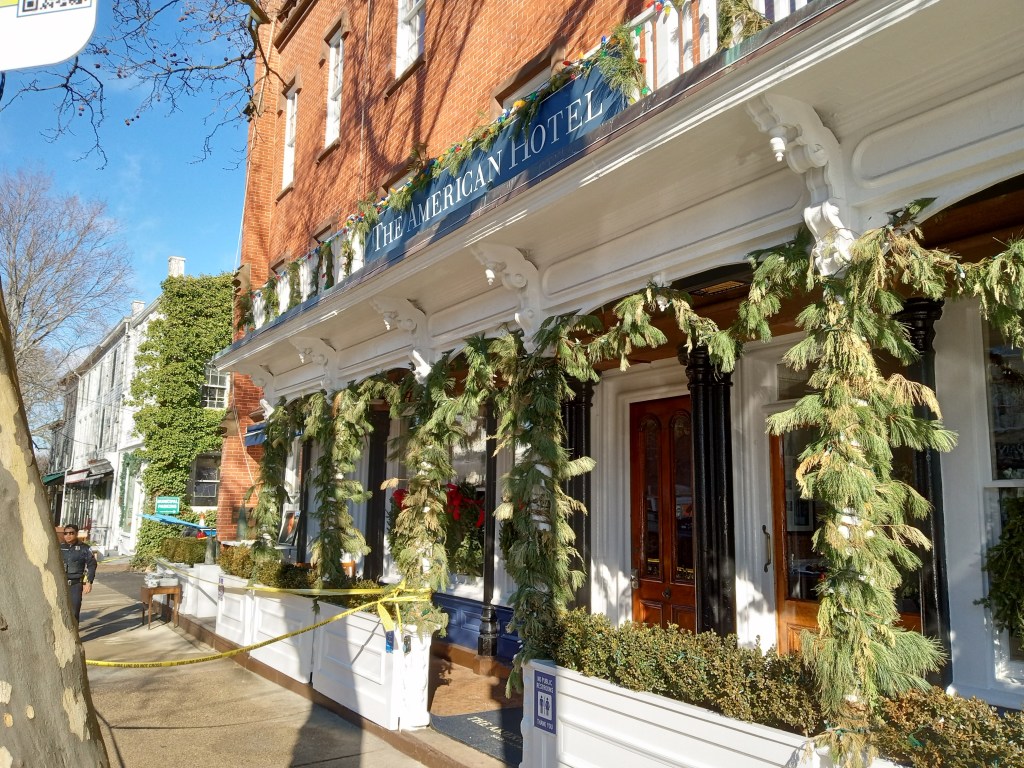
As the village of Sag Harbor, N.Y., sought fitfully in the 1970s to renew itself, two young men from west of the Shinnecock Canal–a symbolic divide in the Hamptons real-estate game, which is mostly to the east–came to play notable roles. One was Ted Conklin, who purchased the American Hotel on Main Street—a hostelry and meeting place that, like the village itself, had seen livelier days. The other was Patrick Malloy, a sailing enthusiast who was to transform marinas and dockside real estate.
Both aging men today are said to be not up for much travel to New York, preferring instead their Florida locales. (Conklin was honored with a streamed caroling tribute on a chilly Dec. 15 from the front of his landmark establishment.) But the Sag Harbor of today, a sought-after if self-consciously class-free community of a few thousand fulltime residents, would not have attained liftoff in more recent decades if not for what they got going a half century ago.
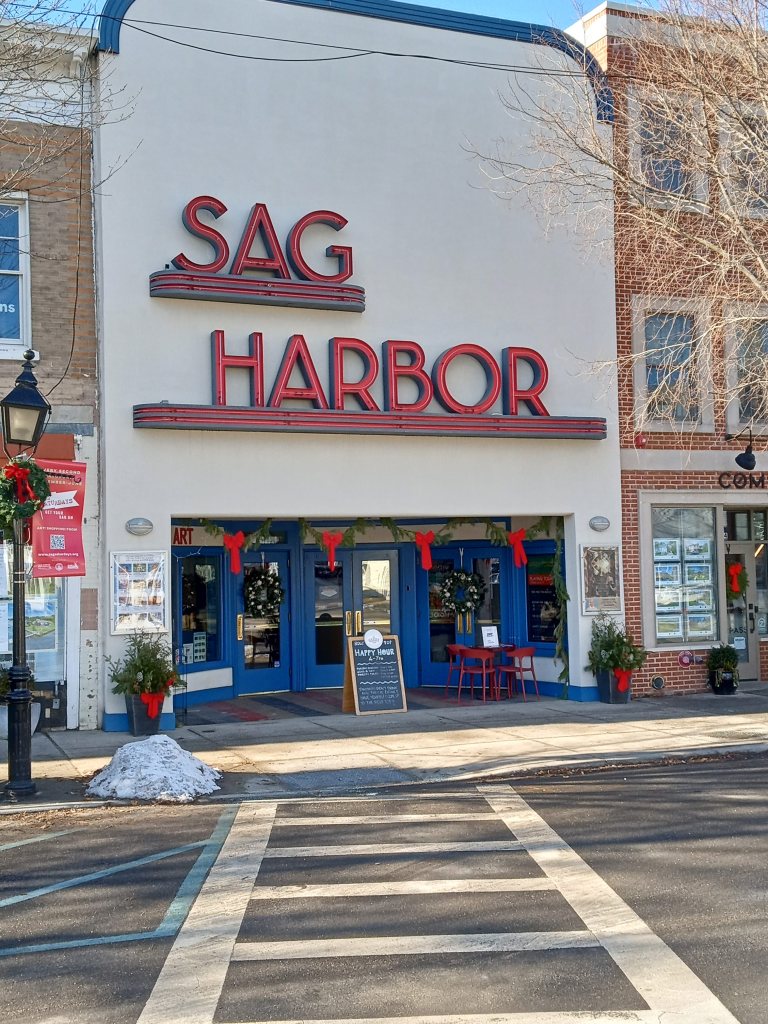
Sag Harbor has been a place in love with its history, including whaling and manufacturing periods, that distinguishes it from the rest of the Hamptons. Architectural touches continue to be celebrated, including its landmark film theater, and literati and the arts have been attracted for decades to a place that John Steinbeck made his later home and where a black summer set sustained its own neighborhood.
The factory heyday had come and gone by the 1950s. The Long Island Rail Road tracks to the west had been ripped out by then, the greatly immigrant workforce, for whose children Mrs. Russell Sage had helped build a library, were finding other livelihoods. But a tight community lived on.
Despite frequently expressed nostalgia for grittier and more insular days of the 1960s into the mid-‘70s, however, reports from that period show discontent with a bar-laden, sluggish village that needed rebirth. One result was a decision—soon widely regretted—to locate a sewage plant near the main waterfront in 1975, replacing old gas tanks, in the hopes it could enable new industry. Also that year the village restarted its Whalers Festival, discontinued a few years earlier as “honky-tonk” but today part of what is a big effort to lure visitors. Some businesspeople planted a sign on Route 27—the coastal road through the beach spots that were by then taking off again as seasonal retreats—flagging the Sag Harbor turn to those unaware.
This corner of the Hamptons didn’t have the legacy of a wealthy summer crowd that had populated the oceanfront villages. “There wasn’t much old money,” recalls Bethany Deyermond, a lifelong Sag Harbor resident whose husband, Ed, was mayor in the early 2000s and a longtime village trustee. Instead “the Harbor” had traditional heartland cogs—the American Legion, a core Catholic church, the fire department. A dairy farm operated into the 1970s, while some of the old factory families remained.
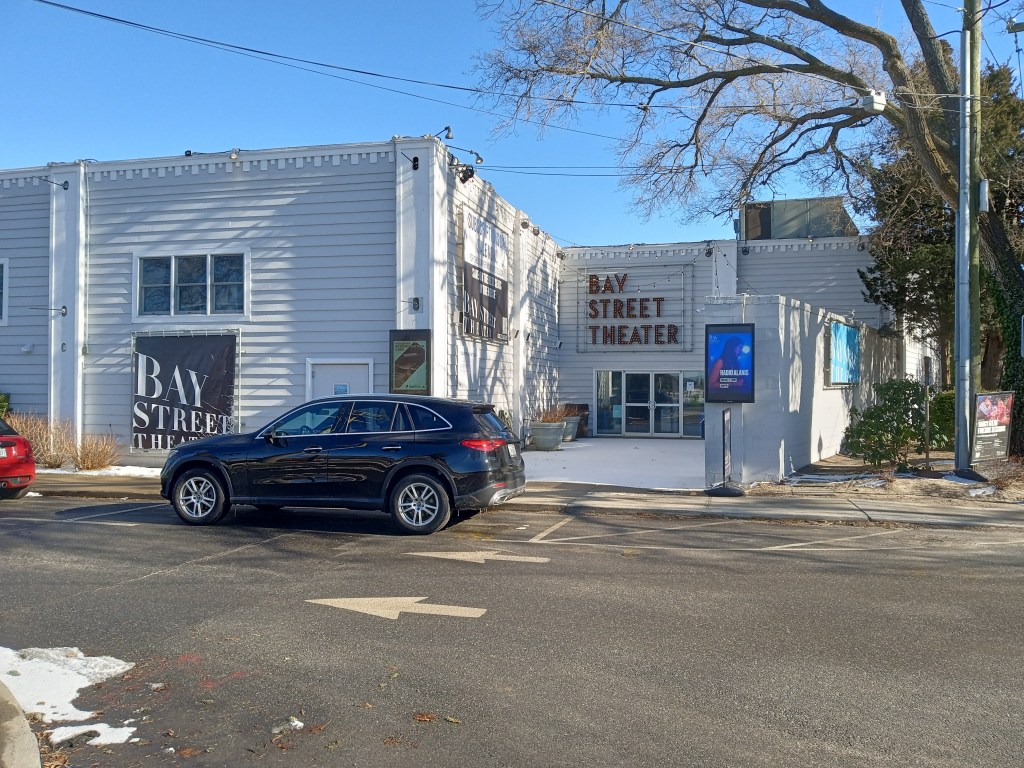
It was about that time that Conklin, from a New York City brass-making family that had summered in Westhampton, was taking ownership of the hotel and Malloy, a Wall Streeter cum developer with a place in Hampton Bays, was sailing into a decrepit boatyard a few blocks away looking for repairs. Both would spend decades building complementary pillars of a new Sag Harbor, anchored to a resort economy that in turn attracted high-end residences. Conklin’s upgraded hospitality mirrored the marinas that Malloy built for big pleasure craft, including at Long Wharf where Main Street ends. There, he notably restored a small Grumman aerospace plant into a multi-use site that came to house the local cultural hub, the Bay Street Theater. The wharf itself had sunk into disuse–by the late 1980s the village partnered with Suffolk County to restore it, ultimately regaining full control in 2012.

The changes, particularly the appeal to a more cosmopolitan crowd, were welcomed by some Harborites.“Smart people found this place cute, cozy and not pretentious,” recalls Nada Barry, who in her 90s still owns a village gift shop with her daughter. Barry with her late husband were pioneers of post-war Sag Harbor, preceding Conklin and Malloy. Their onetime chef at the former Baron’s Cove, a gathering spot from the old days, was Jack Tagliasacchi, who created the Il Capuccino restaurant, a mainstay for locals. (He also repairs to Florida for much of the year.)
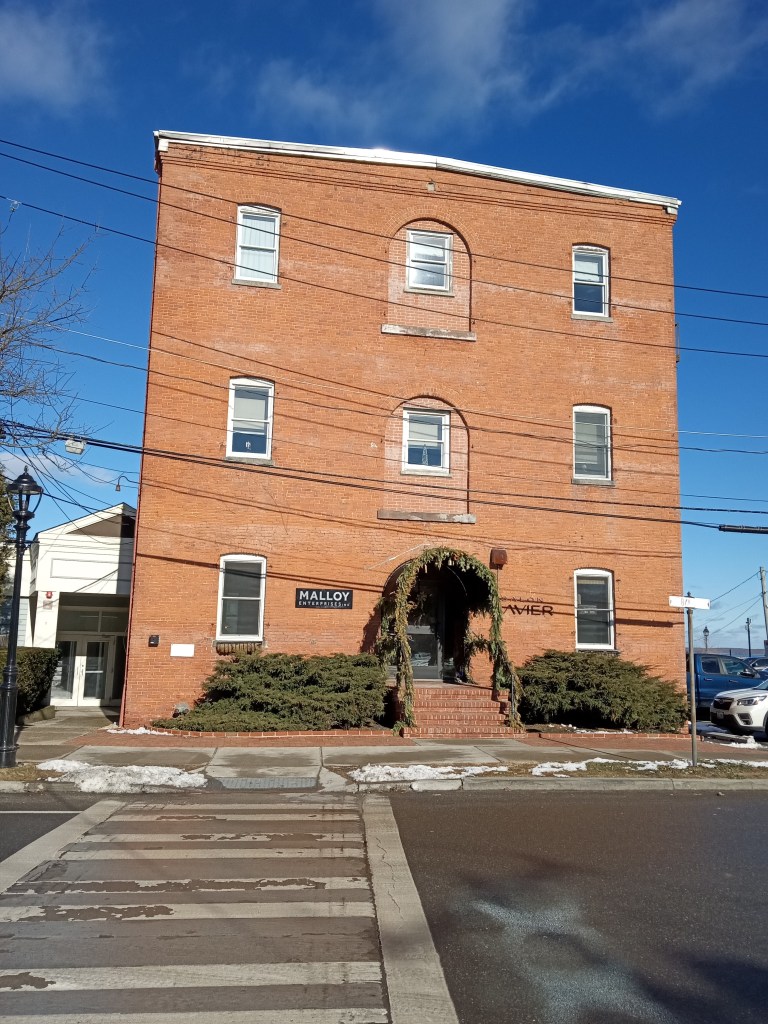
Not all went down well for the new guys. Some old-timers were put off when the moneyed set ultimately came to favor the American’s dining in high season. Yachtsman Malloy, meanwhile, met with increasing resistance to later projects and litigated against the village government. He was involved for 22 years in an effort to rehab a watch-case factory in the village core, last operated by Bulova, into pricey condominiums. The project was completed by 2015 after he had sold his interest. (Malloy’s developments on the South Fork weren’t limited to Sag Harbor. In one of his last, he and a partner were allowed to turn pine barrens in rustic East Quogue into a subdivision that was marketed as Hamptons affordable at the century’s end. A golf course at the site was quashed.)
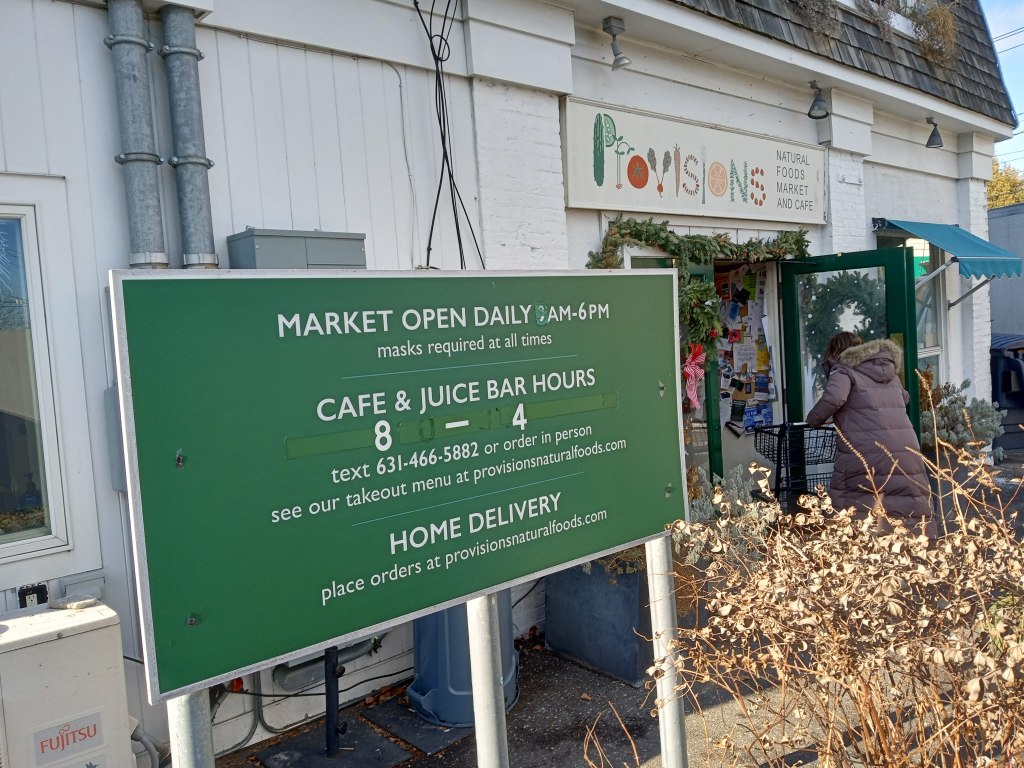
To be sure, Conklin and Malloy were not alone in seeing Sag Harbor through a transformative period. Tagliasacchi’s place, run by his daughter, endures. John Ward, for 24 years a village trustee and ultimately mayor, also bridged the period from industry to tourism, with infrastructure projects to underlay development. A blue-collar sort, “Johnny” anticipated the change he witnessed up to his death at 90 in 2012. In the meanwhile, little things meant a lot, such as the opening of the Provisions market-cafe for a Baby Boomer cohort taking up root.
Such undertakings by themselves did not solve Sag Harbor’s economic puzzle. It continued to lag its storied neighbors in buzz through the Millennial boom. But that lack of status would seed its future. A quality housing stock going back decades had not kept up with Hamptons property prices. When a series of outside shocks—the 9/11 attacks on New York City, the financial crisis of 2008 and the Covid pandemic of 2020—jarred a new generation of homebuyers to come looking for East End quarters, many were attracted to what Sag Harbor had been and was becoming.

Today the village is socioeconomically indistinct from the rest of the Hamptons. It has a bit more year-around character but plenty of precious boutiques. The Church (restored, Methodist from 1835) is a notable art center. A gourmet cheese shop will outfit your picnic for a cool hundred bucks, easily. Parking for Main St. in the summers will cost you a little, too. And once-pastoral North Haven, across a bridge to the north, has plenty of lavish estates of the sort that Pat Malloy took up there in his prime.
As 2026 dawns, Sag Harbor’s story is both old and new. Fractious village politics have quieted a bit but late this year another election cycle will begin. Proposed redevelopment near the wharf area—in a commercial area that hasn’t yet reflected the boom—continues to be contentious. Preservationists are also focused on the loss of old trees as builders march through the residential neighborhoods. Each venerable business (or newer one) that closes on or near Main Street is mourned by locals as a victim of high rents, and a sign that higher tabs are coming for the wealthy set that keeps moving in.
But then the Sag Harbor Historical Museum has just raised funds to construct an archives wing that will safeguard the effects of its early artist patron whose daughter was another civic leader in the period discussed here. And if there’s a parade or music fest or notable school function, the salts of the earth appear, trying still to be unHampton-like. Or at least the post-1970s version of it. –Jan. 16, 2026
Addendum: Ted Conklin died at age 77 on Feb. 1, 2026.
 Tim W. Ferguson