On hotels, as well as housing generally, the Hamptonites of New York are conflicted. They don’t want more homes that crowd their landscapes and roads, but they do want residential “affordability” for their kids and service workers. They don’t want weekend AirBNB rentals in their neighborhoods, but they do want to curb an alternative: additional hotels in their midst.
That’s a big ask in an area that has moved beyond its history as an enclave whose biggest rub was the crowding of young adults into sometimes rowdy summer shares. Even those are quaint memories, lost to the cost structure of a resort area–but a resort without much lodging.
Few new hotels have opened on the East End of Long Island in recent decades, even as it has become ever more a vacation destination. The rooms that do exist are mostly holdovers (usually remodeled) from a half century or longer ago. However basic, they go for princely sums in the warmer-weather months. No wonder a substitute business booms in the quick turnarounds of private homes, even though such rentals of less than two weeks are illicit in most of the Hamptons.
In the gateway to the North Fork of the island, Riverhead, a new Hilton-branded development is keenly sought to anchor a downtown renewal. Riverhead is as pro-growth as any municipality on the East End, but even there the guest quest remains mired in complications after many months.
The latest skirmishing on the South Fork is in East Hampton Village, as precious a place as there is on Route 27, the fabled Montauk Highway. The historic inns there have become choice properties for New York City or Palm Beach hospitality wealth, with clienteles to match. This rubs settled locals the wrong way–too much late noise and too many glitzy amenities, like pool lounging. The old East Hampton option was to pedal a cruiser bike down to the ocean beach.
As reported in the weekly Star newspaper, a village trustee offered that “one of the most vociferous collective voices I hear is, are the inns for the residents or the visitors?” At first glance, that might seem an odd question, as the rooms indeed rent to visitors. Perhaps it reflects days (mostly) gone by when such establishments doubled as neighborhood pubs. Or, as the trustee herself continued, “The argument is, we don’t need to provide pools for entertainment, that [inns] should just be so people could use our village.”
The unhappy fact for many is that the usually affluent visitors to the hopelessly affluent East End want it all for their money. Wherever they end up staying, they will live large, as the quiet denizens nearby make peace with their haughty hamlets’ hotness.
The town fathers in neighboring Southampton, with a mind to controlling more of that visitor trade, last year approved changes to the zoning code that make it quicker for incremental hotels to gain approval in designated areas. But objections were raised and the governing board took back the idea for more study.
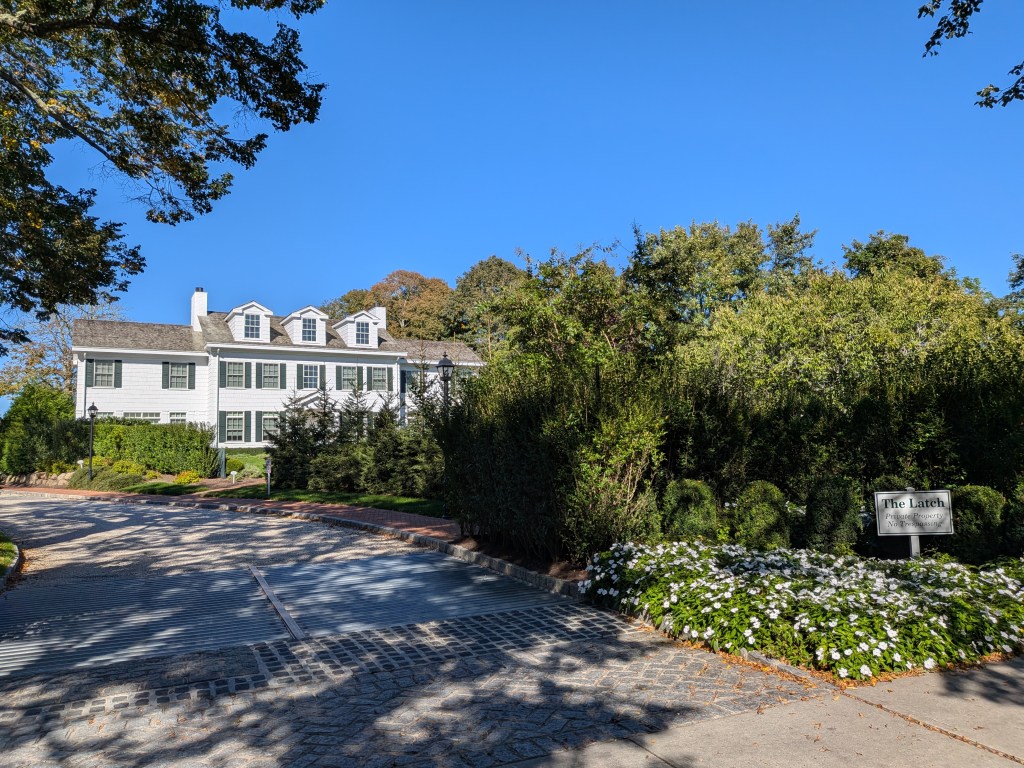
In the tony village of Southampton, nestled inside the township of the same name, reminders exist of lodges lost to residential splendor. As shown in the photo above, what until sold a decade ago was the quirky Village Latch on Hill Street became condominiums that evidently are off limits for the hoi polloi.
The biggest stock of what were once called “motel” accommodations is in Montauk, along the far eastern shores, but those, too, no longer come cheap. And the hamlet around them has also moved dramatically upscale in recent decades. No surprise, this has led to increasing friction over any increases in size or sound from the rental establishments.
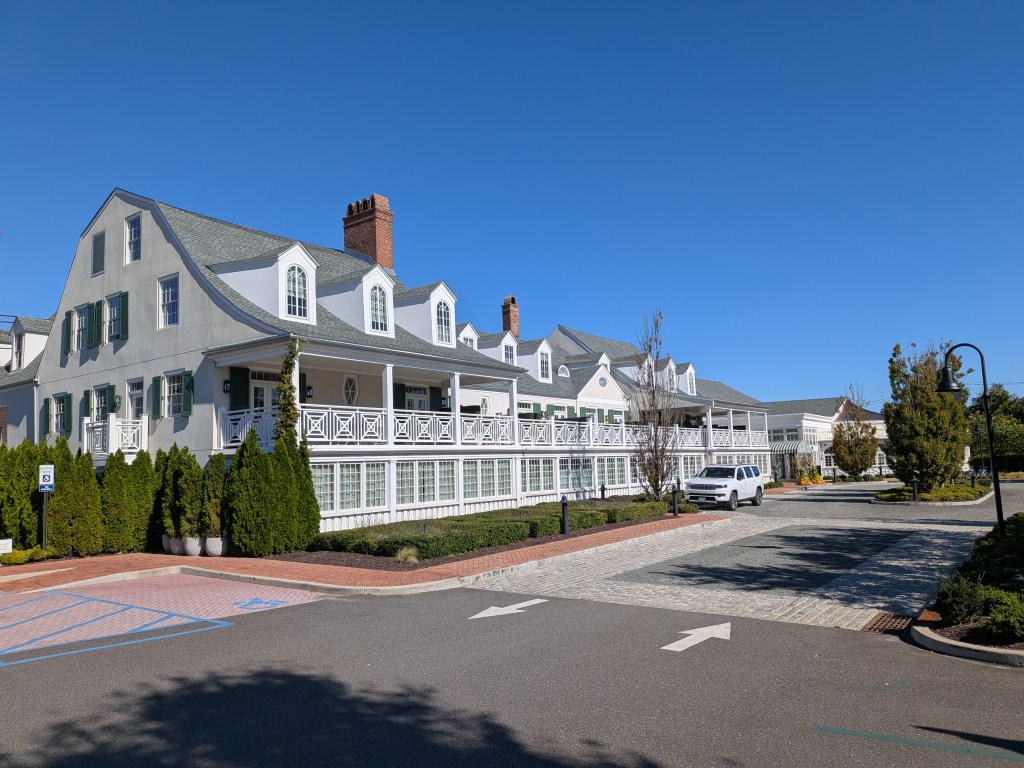
Another longtime locus of bargain stays, the hamlet of Hampton Bays, has seen its dives either close or be filled with day laborers paying by the week. But also, Hampton Bays has moved on from its time as an easy spot for layabouts by day and dance clubbers at night. The reborn Canoe Place (above), near the waterfront and years in the making, was not only a rare hotel opening in recent years but in its refinement a reflection of what it takes to offer new rooms on the East End.
So for the many who still want a brief stay in this idyll, hoping to avoid the steep cost of even a two-week seasonal rental, the fallback continues to be the online apps. And this neighborhood “host” trade, by bringing in tidy sums, will keep fueling the appreciation of property prices that Hamptonites both decry and desire. Maybe a hotel or three could help let air out of that bubble. –Oct. 7, 2026

