This personalized recollection from the retired Hamptons publisher Dan Rattiner in the current issue of his old magazine, Dan’s Papers, sets the historical scene for one of eastern Long Island’s most unusual preserves: Camp Hero near Montauk Point. Now an ocean-facing state park on nearly 280 acres, it was a secretive military base during theContinue reading “A Tale of Montauk’s Camp Hero”
Category Archives: Hamptons Land
Hamptons Hint: Bigger Is No Longer Better
Even in places that like to think they “live and let live,” it’s possible to get too much in other people’s faces. That’s basically where we are on the East End of Long Island, where the McMansion binge is leading to many new homes being built to the legal limits of size and footprint, oftenContinue reading “Hamptons Hint: Bigger Is No Longer Better”
Across the Peconic, It’s Not Just a Wine Story
Most of my reporting on the recent history of land preservation on the East End of Long Island has dealt with the South Fork, or “The Hamptons.” But on the other side of Peconic Bay, similar if somewhat later stories could be told. This item from Patch spotlights one man’s efforts in New Suffolk thatContinue reading “Across the Peconic, It’s Not Just a Wine Story”
When Pine Barrens Were Cleared for Walmart
I’m reminded it’s been 25 years this summer since this article in the New York Times caught the inception of a “regional shopping center” on the Long Island Expressway approach to the Hamptons. The center, such as it is, finally is coming together, based on my drive-by tour a few months ago. A huge WalmartContinue reading “When Pine Barrens Were Cleared for Walmart”
On the Trail of Hamptons Preservation

The year 2022 is triggering public anniversary memories on the East End of Long Island, some of which go back 50 years to significant developments that changed Suffolk County such as the abrupt completion of the Long Island Expressway and the birth of the resource-preservationist outfit known back then as the Group for America’s SouthContinue reading “On the Trail of Hamptons Preservation”
Hamptons Traffic and the Road Not Taken

My interest in land-use policy 50 years ago on Long Island was piqued when I learned offhand* of a state highway that was to have been built back then, not far from where our home now sits in Water Mill. How could that have been the case, over a route that today features much largerContinue reading “Hamptons Traffic and the Road Not Taken”
Affordable Hamptons Housing After Saving Priceless Parcels?

Like many other affluent suburbs or resort areas, the Hamptons of New York is confronting a housing affordability crisis, which is to say that the service and support industries on which the wealthy residents rely cannot reliably staff their operations from nearby residents. This pinch results either in unfilled positions or lengthy commutes for theContinue reading “Affordable Hamptons Housing After Saving Priceless Parcels?”
Legacy of a Suffolk County ‘Moses’
The death of Lee Koppelman, as noted in this Newsday obituary, closes a long chapter of land-use policy on the eastern end of Long Island. Koppelman was Suffolk County’s planning chief from 1960-1988, as its post-war population boom led to pushback from preservationists, many of them well-off New Yorkers coveting weekend and summer retreats. KoppelmanContinue reading “Legacy of a Suffolk County ‘Moses’”
When a Shopping Mall Came to the Hamptons
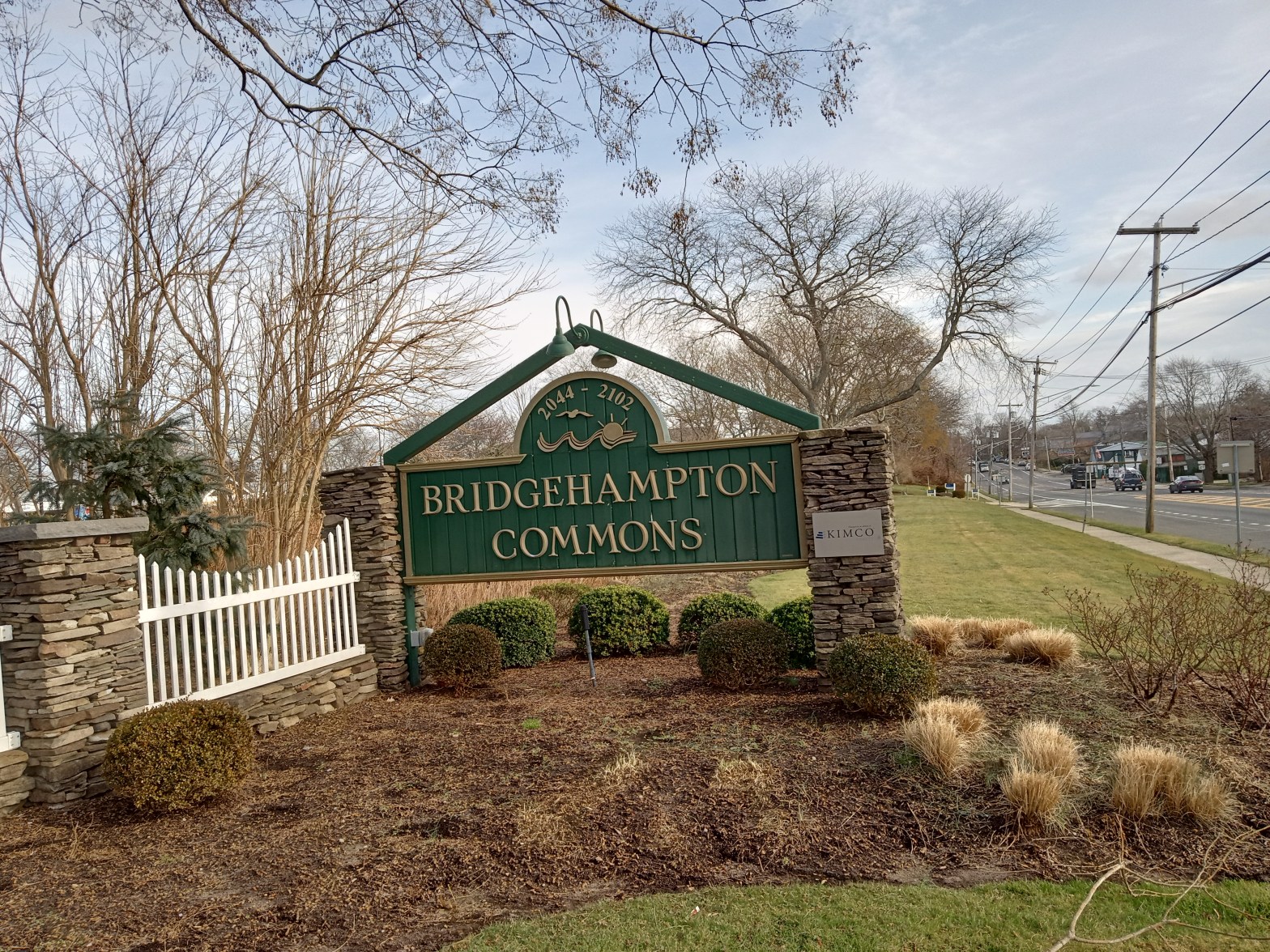
Articles appearing on the front pages of their weekly papers 50 years ago—Feb. 3, 1972—were a surprise to many who’d begun making the Hamptons a weekend or summer home. Construction was beginning on a shopping center in their idyllic midst. Plaza East would be a first…and remain to this day the only of its kind.Continue reading “When a Shopping Mall Came to the Hamptons”
Milestone: Early Hamptons Farmland Preservation
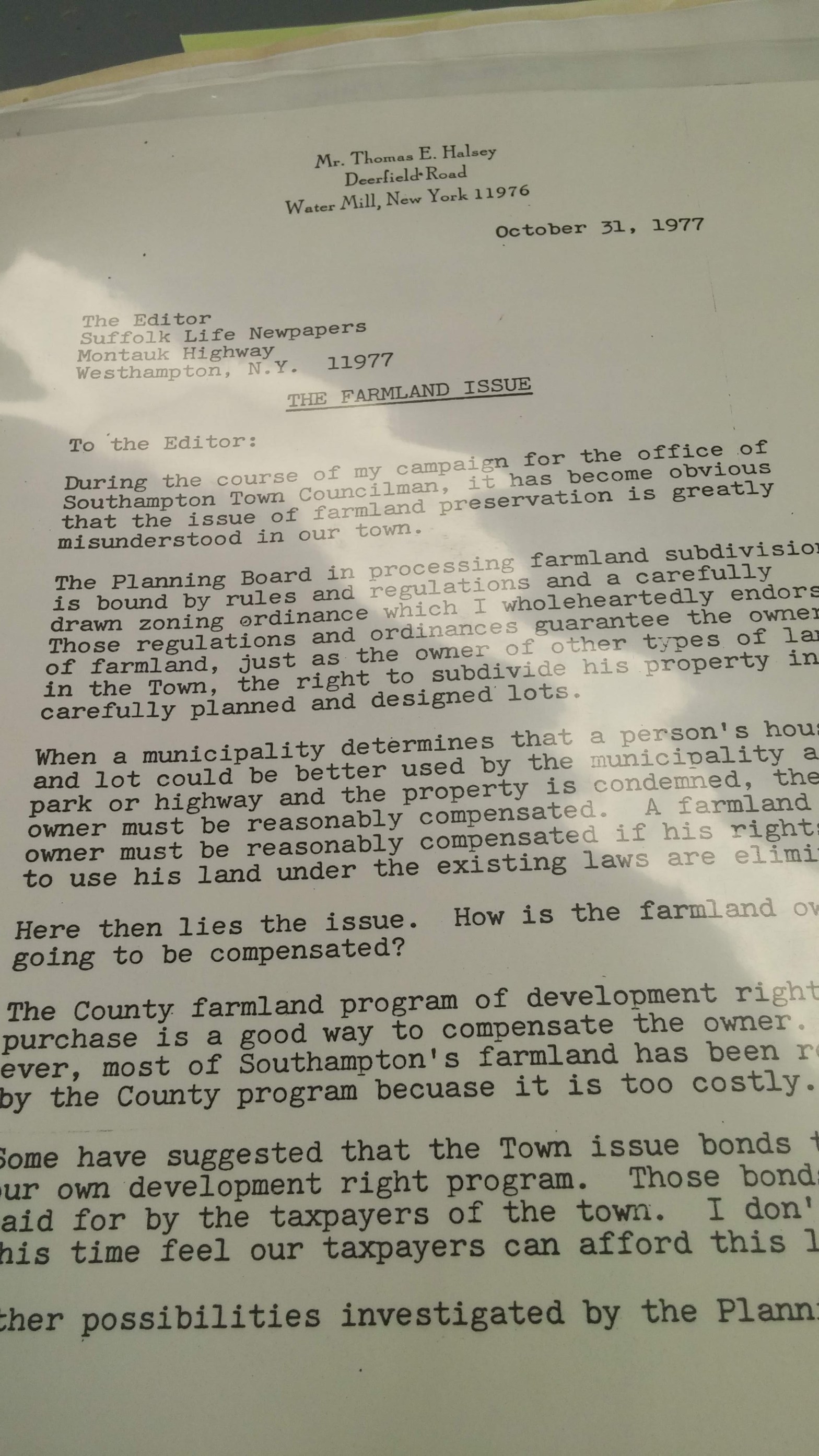
The great story of land-preservation on the South Fork of Long Island (“the Hamptons”) is losing many of its first-hand witnesses. Another departed this life just before Christmas: John V.N. Klein, who as Suffolk County Executive launched the first major effort to sustain farmland on some of the richest (both in nutrients and dollar value)Continue reading “Milestone: Early Hamptons Farmland Preservation”
 Tim W. Ferguson